|
It is a country of striking diversity - in geography, climate, people, culture, religion, language, education and economic
structure. It has a population of 13 million and a per capita GNP of US$610. It is richly endowed with tropical forests, mineral resources (petroleum, natural gas, gold, iron ore, uranium, and bauxite), fertile
agricultural land, a largely favorable climate, and a high potential for diversification. The average population density, which is less than 23 persons per square kilometer, is very low by world standards and allows for
considerable agricultural expansion. Cameroon also has vast water resources. Hydroelectricity provides 95 percent of generated power. With a coastline of over 400 kilometers and three seaports, the country also has an
extensive but deteriorating network of airports, roads and railways and over 2000 kilometers of inland waterways. The development of the oil
sector led to rapid economic growth between 1975 and 1985 but this came to an abrupt halt in the mid-eighties, following the decline in world prices of petroleum, coffee and cocoa, the country's major exports. Recently,
the economy has begun to grow again, averaging 3.3 percent in 1995 and 5 percent in 1996 and 1997. Benefits of the project for Cameroon
Cameroon stands to earn about US$500 million in direct revenue and additional amounts in expected project-related economic activity over the 25-year life of the project. The 1050km buried pipeline to
the marine export terminal off the coast of Kribi, most of which will run through Cameroon, is expected to generate over a thousand short-term construction and operational jobs for the local population.
Under the direct pressure of environmental groups The country earns a fair income from tourist activities and in particular from wild reserves. It is also benefiting from international
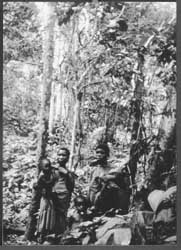
program for nature protection (ex : WWF).The pipeline project is under fire both for protection of populations (the pygmies) and nature (the rain forest).
|

|
Protecting the pygmies |
Protecting nature |
Interests of Cameroon in the pipeline – Several questions
- What will be the macro-economic impact of this development ?
- Are the conditions set by World Bank and IMF acceptable ?
- Are the political and economic links between Cameroon and Chad strong and lasting ?
- Will the project conflict with the management of natural reserves or other protection perimeters ?
- What is the present activities of NGOs and their influences ?
|